Choose a value under pressure
Pick a value you want to keep when it costs time or convenience—such as honesty, care, craft, learning, service, or courage. Define what would violate it.
Purpose experiment builder
Purpose does not need to arrive as a revelation after religion. Treat it as a working direction: choose a value, express it through a role, schedule one contribution, and review whether the commitment makes life more coherent or merely more performative.
3
OECD guidance distinguishes life evaluation, emotional experience, and meaning or purpose.
4 weeks
Long enough to collect calendar evidence without pretending the choice is permanent.
1 role
A role such as learner, parent, neighbor, builder, or volunteer creates testable duties.

A useful distinction
Purpose becomes more credible when it changes what you do, for whom, and how often. “Help people” is a slogan until it becomes a named contribution with a date, recipient, and review.
Pick a value you want to keep when it costs time or convenience—such as honesty, care, craft, learning, service, or courage. Define what would violate it.
Choose one role you already hold or can realistically test. Write the people affected, the duty, and the boundary that keeps the role sustainable.
Create a specific action with a date and recipient. Keep it small enough to complete without needing a new identity, business, or public announcement.
Look at energy, relationships, follow-through, harm, and opportunity cost. Continue, adjust, or stop based on evidence rather than guilt about changing direction.
Named sources · reviewed August 2, 2026
OECD, hosted by the National Library of Medicine
Defines life evaluation, affect, and meaning or purpose as distinct parts of subjective well-being.
Office of the U.S. Surgeon General
Evidence and a national framework for the structure, function, and quality of connection.
Private check-in
Nothing is submitted. This page does not invent vote counts or claim that other visitors answered.
Readiness tool
0 of 4 foundations in place
Choose the statements that are already true for you.
This planning aid is not a safety, legal, medical, or clinical assessment.
Four-week contribution experiment · Reviewed August 2026
Purpose does not need to replace religion with another total identity. Choose a value you want to practice under pressure, place it inside one realistic role, schedule a contribution to a named person or system, and review the evidence after four weeks. Continue, revise, or stop without treating productivity as proof of worth.
4 weeks
Long enough to observe follow-through without pretending the direction is permanent.
1
Learner, parent, neighbor, builder, caregiver, or volunteer creates concrete duties.
5
Examine energy, relationships, follow-through, harm, and opportunity cost.
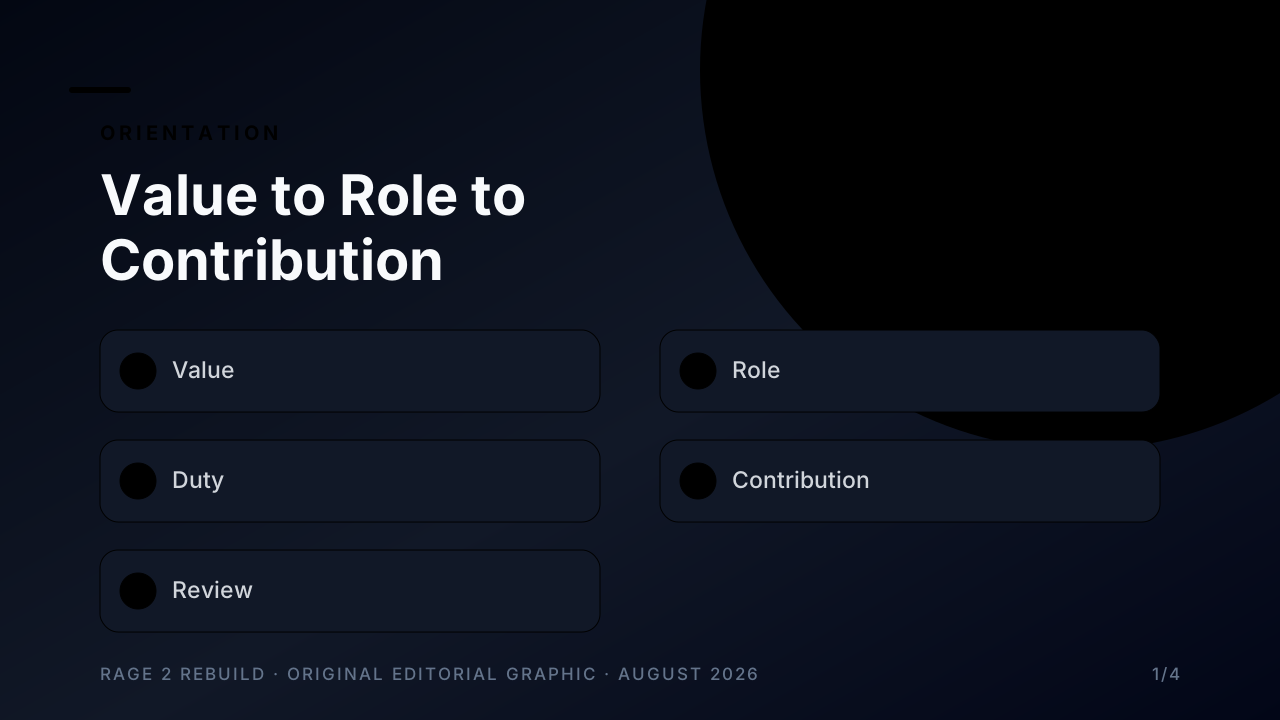
Orientation
Translate abstraction into behavior without demanding a permanent identity.
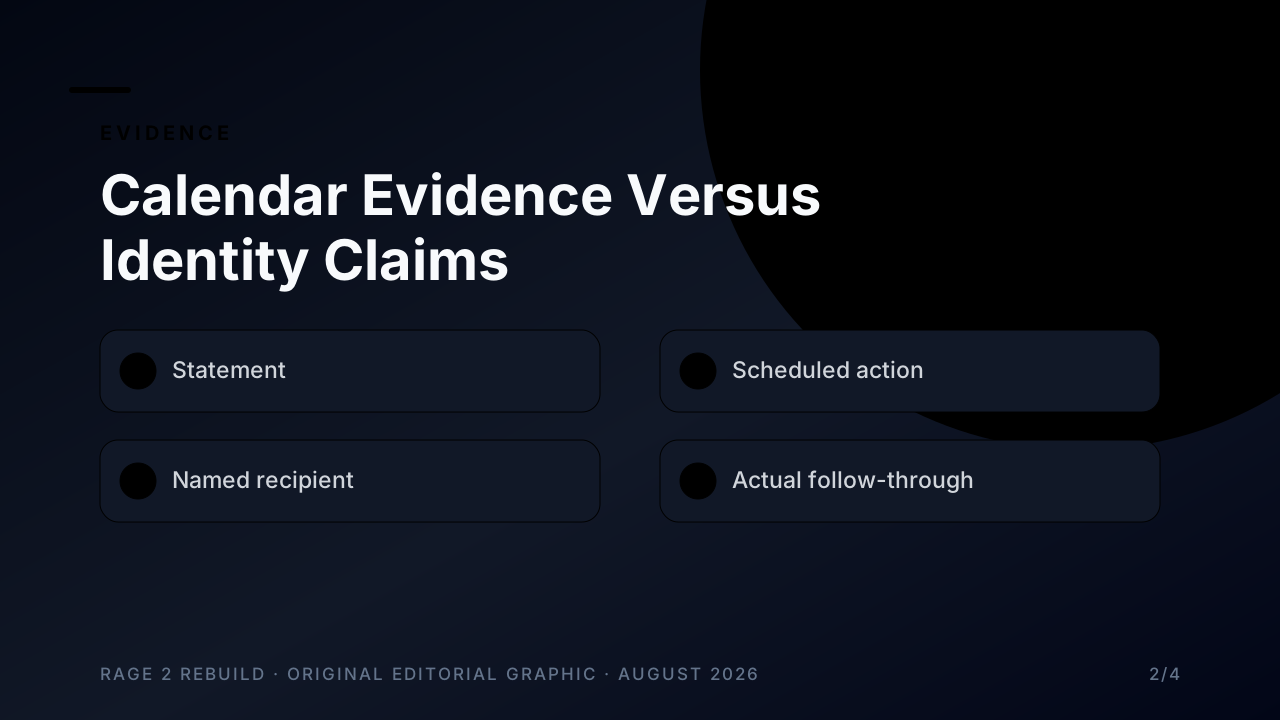
Evidence
Look for behavior, recipient, frequency, and cost.
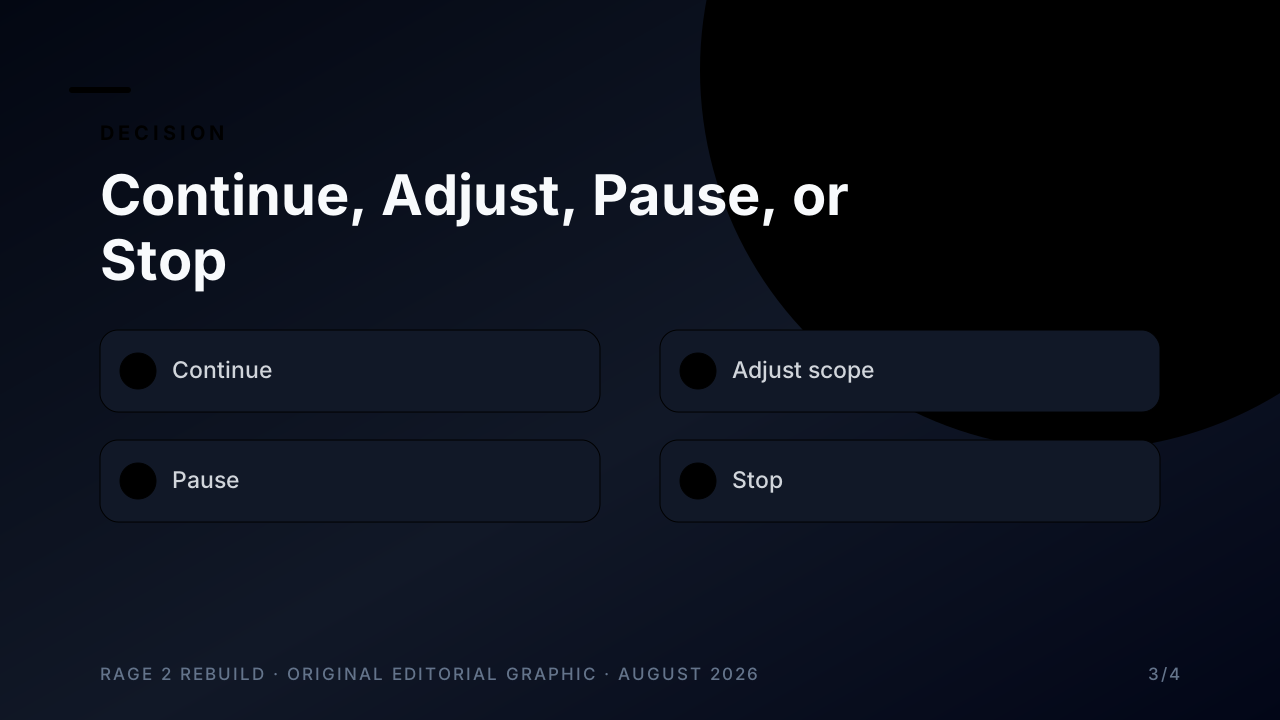
Decision
Changing direction can be an evidence-based decision rather than failure.
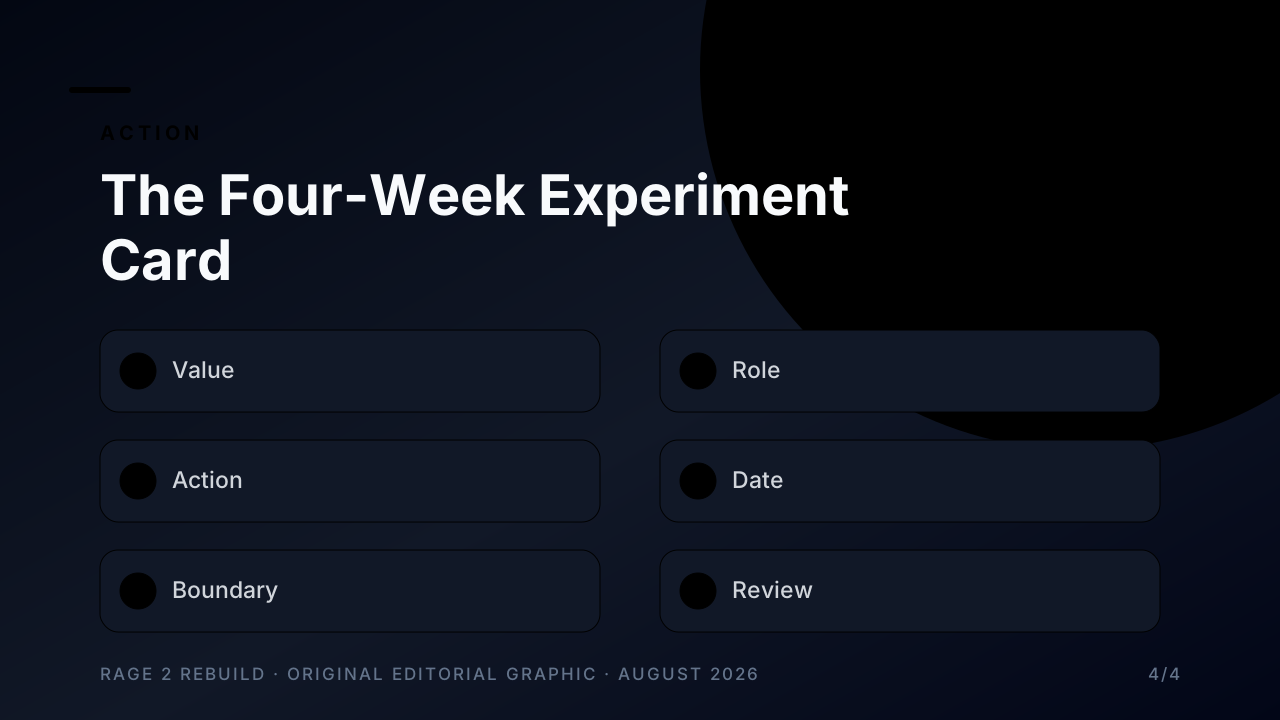
Action
One role and one contribution create a testable direction.
Browser-only planning tool
Test one direction without turning it into a public identity or permanent promise.
A role creates duties and boundaries. A parent can value care without being available every minute. A builder can value craft without turning every waking hour into output. A volunteer can contribute without making the organization the sole source of belonging.
Write what the role does not include. Excluding rescue fantasies, unlimited availability, unpaid labor you cannot sustain, or authority you do not hold makes the experiment more honest.
A contribution can feel meaningful to the giver while burdening the recipient. Ask whether it was wanted, useful, reliable, respectful, and proportionate. Purpose should not become permission to control another person or center yourself in their need.
Calendar evidence includes cancellations, avoidance, recovery time, relationship effects, and what was displaced. A useful review can conclude that the direction matters but the current form is too costly.
Original page video
Purpose becomes testable when a value enters a role and changes the calendar.
Synthetic narration and original editorial graphics. No client, therapist, religious group, or documented event is depicted.
Private check-in
Nothing is submitted. This page does not invent vote counts or claim that other visitors answered.
Readiness tool
0 of 4 foundations in place
Choose the statements that are already true for you.
This planning aid is not a safety, legal, medical, or clinical assessment.
Named sources
OECD, hosted by NCBI Bookshelf
Measurement framework distinguishing life evaluation, affect, and meaning or purpose.
Office of the U.S. Surgeon General
Public-health framework for the structure, function, and quality of social connection.
National Institute of Mental Health
Official U.S. routes for finding qualified help and responding to urgent danger.
Editorial review: August 2, 2026. Hours, laws, credentials, costs, services, and availability can change; verify them directly.
Page-specific answers
That is normal. Test one role for this experiment while maintaining necessary duties and boundaries in the others.
Small enough to complete honestly and repeat without a new business, identity announcement, or unsustainable promise.
Review whether the value, role, recipient, action, or timing was wrong. Persistent numbness or functional decline may require qualified mental-health support.
No. Continue, revise, pause, or stop according to evidence about effect, harm, cost, relationships, and capacity.
No. People can hold several roles and revise commitments as circumstances and evidence change.
Start with stability and small obligations rather than forcing inspiration. Persistent numbness, hopelessness, or functional decline may warrant qualified mental-health care.
Productivity measures output. Purpose concerns direction and meaning; rest, care, learning, and relationships may matter even when they produce no marketable result.