Protect the fixed commitments
Put work, school, childcare, appointments, medication instructions, transport, and required rest into the calendar first. A plan that ignores real obligations creates guilt instead of stability.
Seven-day planning tool
A calendar can reduce avoidable ambiguity and make the next action visible. It cannot diagnose or treat depression, bipolar disorder, trauma, addiction, or any other condition. Use this protocol beside—not instead of—qualified care, prescribed treatment, recovery support, and crisis services when those are needed.
Put work, school, childcare, appointments, medication instructions, transport, and required rest into the calendar first. A plan that ignores real obligations creates guilt instead of stability.
Choose realistic meal and sleep windows based on your actual schedule. This is calendar structure, not medical guidance. Persistent sleep, appetite, or energy changes may need clinical assessment.
Schedule one person, group, provider, or support call you can actually use. Write the time and method. “Reach out more” is not yet an appointment.
Use walking, wheeling, stretching, chair movement, household work, or another accessible option. Start slowly and get health guidance when a condition, injury, disability, pregnancy, or symptom affects safety.
Choose something with a visible end: send one email, wash one load, complete one application section, or make one verified call. Do not use productivity as proof of human worth.
A full calendar should not mean every minute is optimized. Protect time for recovery, transitions, delays, and doing nothing without turning rest into failure.
Example day · adapt it
Stop conditions
Pause, look, and use something
Long explanations are easier to use when they are interrupted by evidence, a visual reset, a decision, and a tool. This section turns the topic into a private action plan without presenting generated media as a real person, place, or testimonial.
4
Original visual directions attached to this topic; not claimed as documentary evidence.
3
Topic-specific ideas plus links to an independent curated resource library.
0
The check-in below is private and does not pretend to represent other visitors.

Quick perspective
A page can be long and still feel thin when every paragraph asks the reader to do the same thing. Useful depth comes from different jobs: explain, show, compare, help decide, and make the next action easier.
Questions this page can turn into content
Watch from a named source
Videos and readings for understanding religious trauma without treating a web page as diagnosis.
Recovering from Religion resource library ↗
A sourced collection for examining belief changes, uncertainty, and life after certainty.
Recovering from Religion resource library ↗
Private check-in
Nothing is submitted. This page does not invent vote counts or claim that other visitors answered.
Readiness tool
0 of 4 foundations in place
Choose the statements that are already true for you.
This planning aid is not a safety, legal, medical, or clinical assessment.
Seven-day experiment · Reviewed August 2026
The Daily Protocol is a short planning experiment, not treatment and not a universal formula. Pick a few repeatable anchors, record what actually happens, and adjust for disability, work, caregiving, medication, culture, safety, and professional advice. Missing a day is information, not proof of failure.
7 days
Short enough to revise and long enough to observe friction across a normal week.
3
Sleep timing, food or hydration, and one planned action can give the day a basic shape.
1
A scheduled review turns activity into learning.
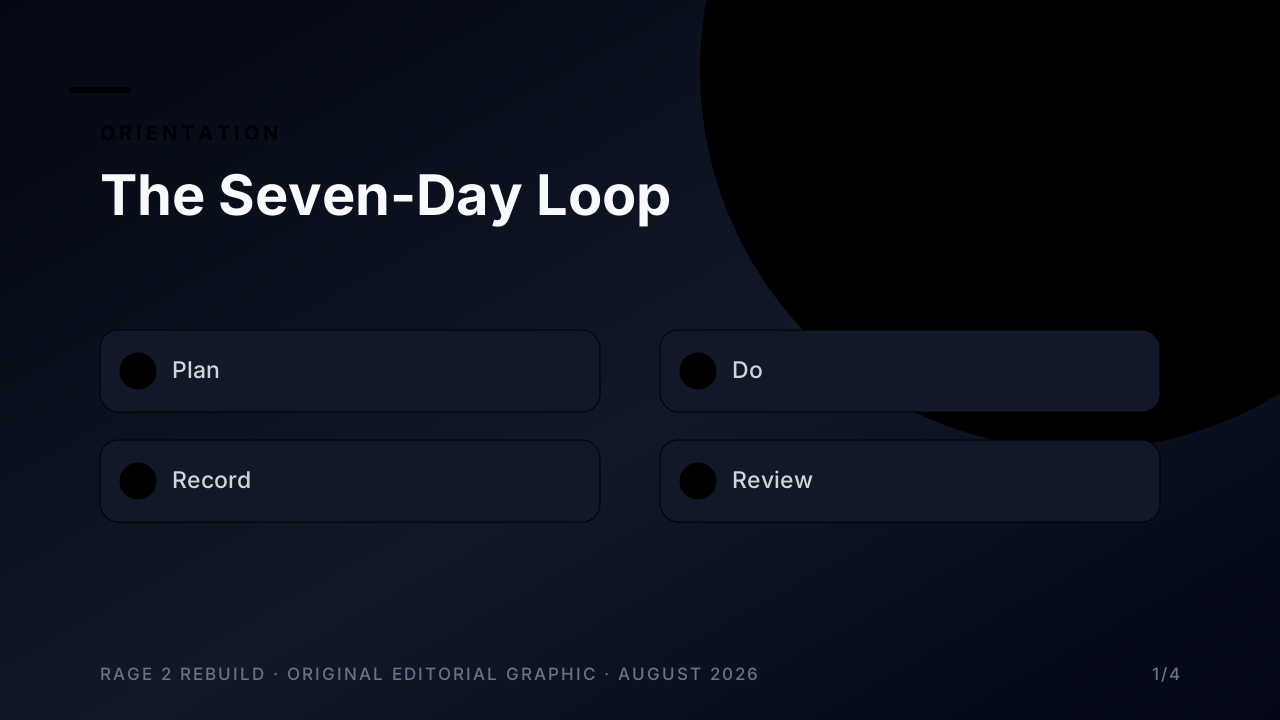
Orientation
A short experiment rather than a permanent identity.
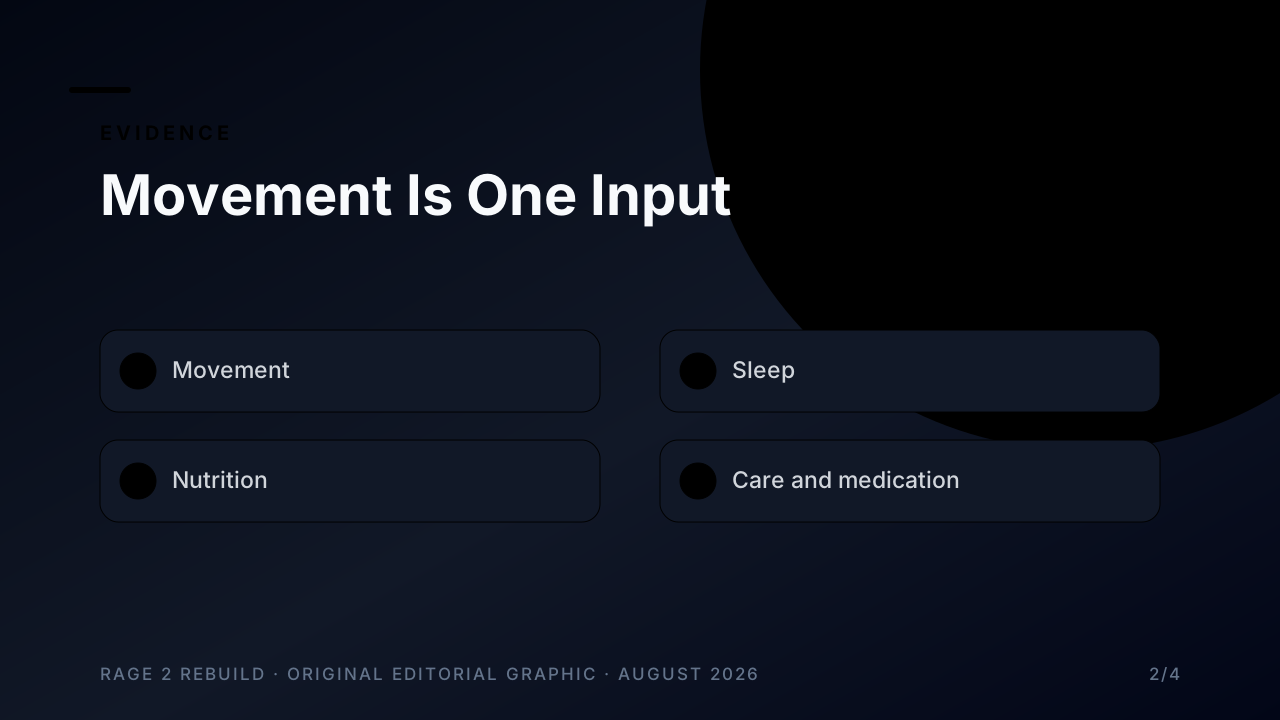
Evidence
Public-health guidance informs movement; individual care still varies.
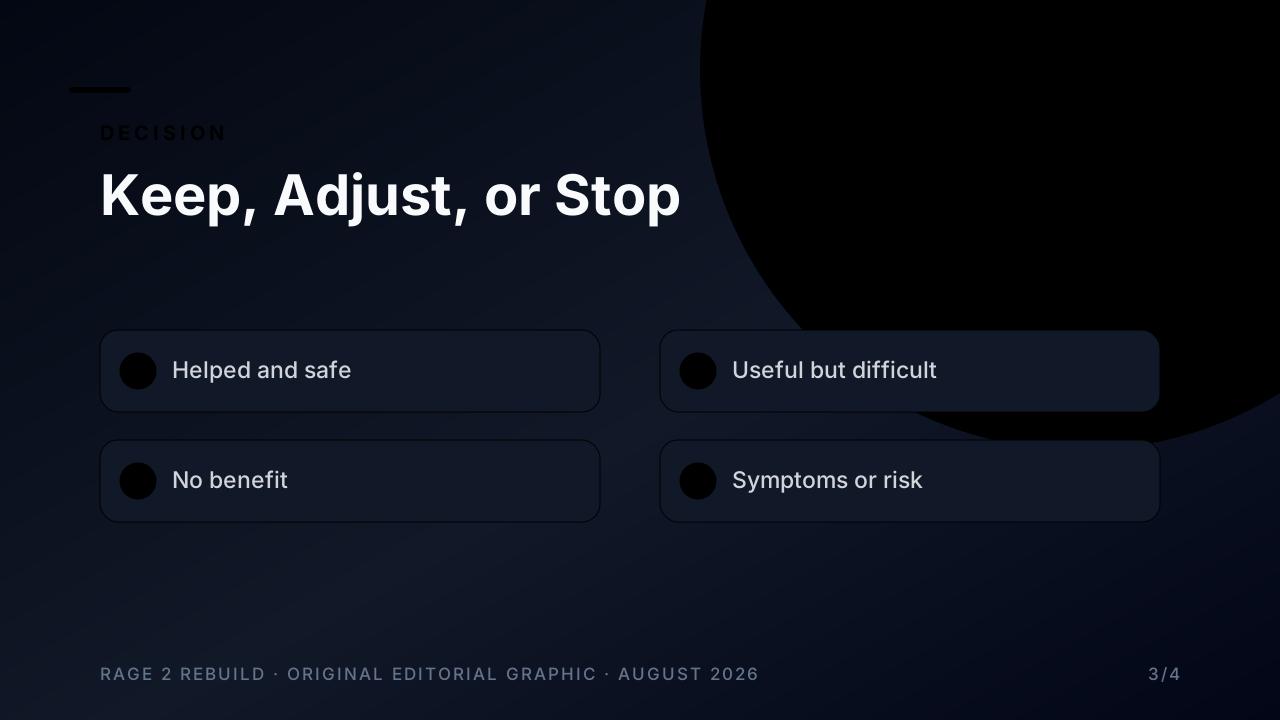
Decision
A routine should respond to the person.
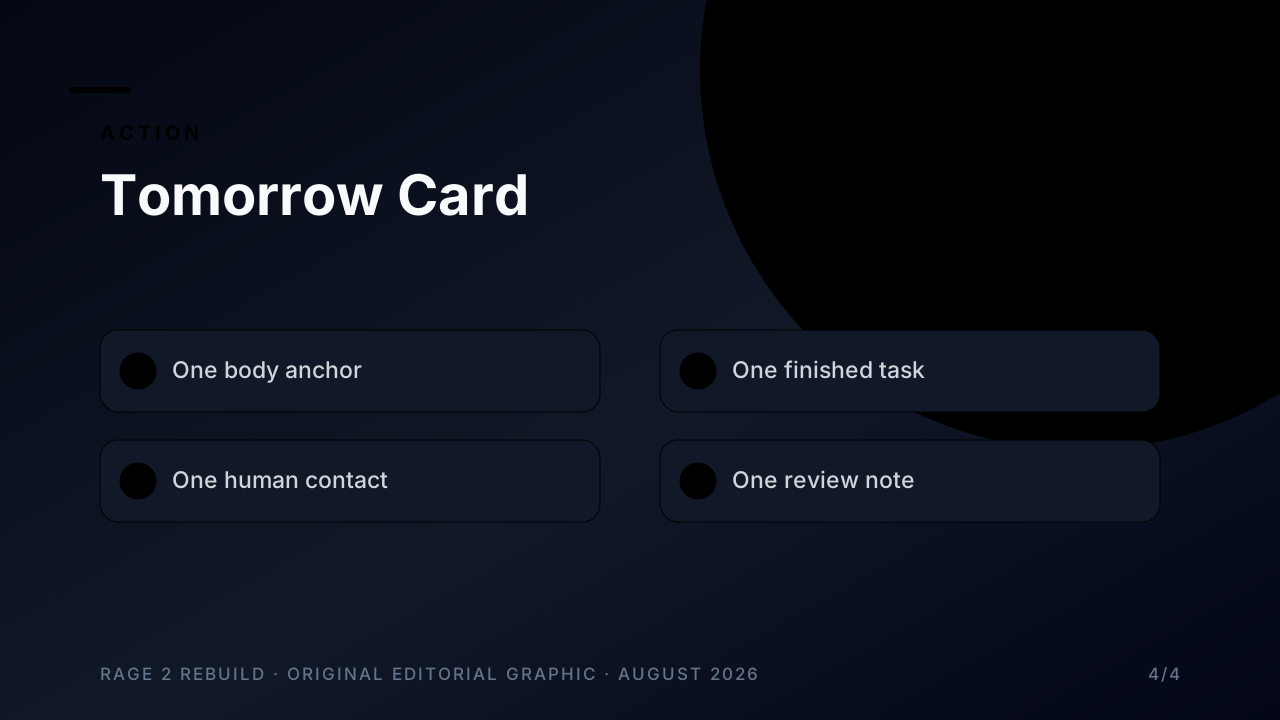
Action
A day-sized commitment.
Browser-only planning tool
Choose the smallest version that still counts and write the conditions that require adaptation.
Original page video
A missed day is data. It is not a verdict on your discipline or worth.
Synthetic narration and original editorial graphics. No client, therapist, religious group, or documented event is depicted.
Private check-in
Nothing is submitted. This page does not invent vote counts or claim that other visitors answered.
Readiness tool
0 of 4 foundations in place
Choose the statements that are already true for you.
This planning aid is not a safety, legal, medical, or clinical assessment.
Named sources
Centers for Disease Control and Prevention
Official overview of physical-activity benefits and current public-health guidance.
National Institute of Mental Health
Official U.S. guidance on finding care and responding to immediate danger.
U.S. Surgeon General
Framework for understanding the structure, function, and quality of social connection.
Editorial review: August 1, 2026. Hours, laws, credentials, costs, services, and availability can change; verify them directly.
Private check-in
Nothing is submitted. This page does not invent vote counts or claim that other visitors answered.
Readiness tool
0 of 4 foundations in place
Choose the statements that are already true for you.
This planning aid is not a safety, legal, medical, or clinical assessment.
Keep what improved safety, access, follow-through, or connection. Reduce what created avoidable pressure. Escalate symptoms and high-stakes decisions to the right professional lane.
Ask a Personal Planning Question