4
planning lanes
Safety, stability, relationships, and meaning should not be collapsed into one score.
Private browser-only planning tool
This check-in does not diagnose, score, rank urgency, or claim to know how you feel. It helps distinguish crisis help, qualified care, recovery support, disclosure planning, daily structure, peer connection, AI assistance, and personal perspective.
If you may act on thoughts of harming yourself or someone else, skip the tool and contact local emergency services. In the United States, call or text 988.
Complete all six questions. Your selections stay in this browser component and are cleared when the page reloads.
Private triage worksheet · Reviewed August 2026
This assessment is a browser-only reflection tool. It does not diagnose religious trauma, depression, anxiety, or any other condition. Its job is narrower: help you name what changed, identify practical dependencies, separate urgent concerns from decisions that can wait, and choose an appropriate next source of help.
4
Safety, stability, relationships, and meaning should not be collapsed into one score.
0
The tool does not display fabricated averages or claim to compare you with other visitors.
1
A useful result ends with a named person, service, or scheduled experiment.
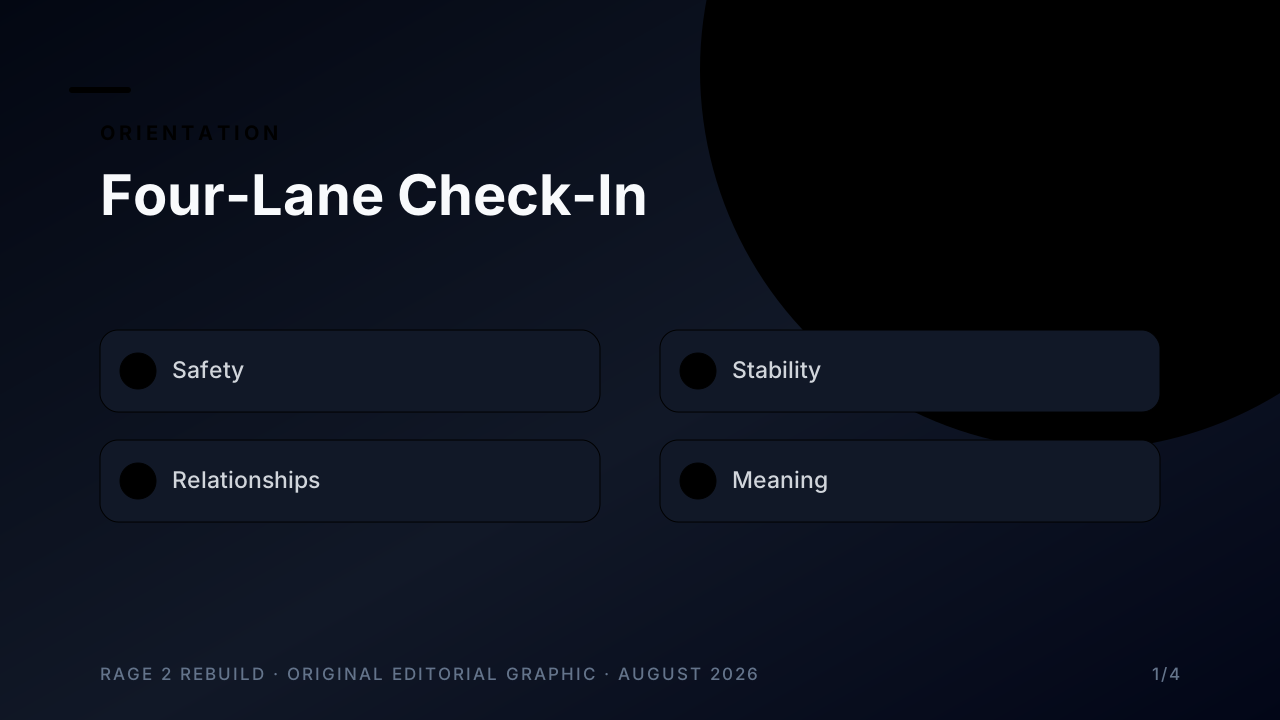
Orientation
A planning framework, not a clinical instrument.
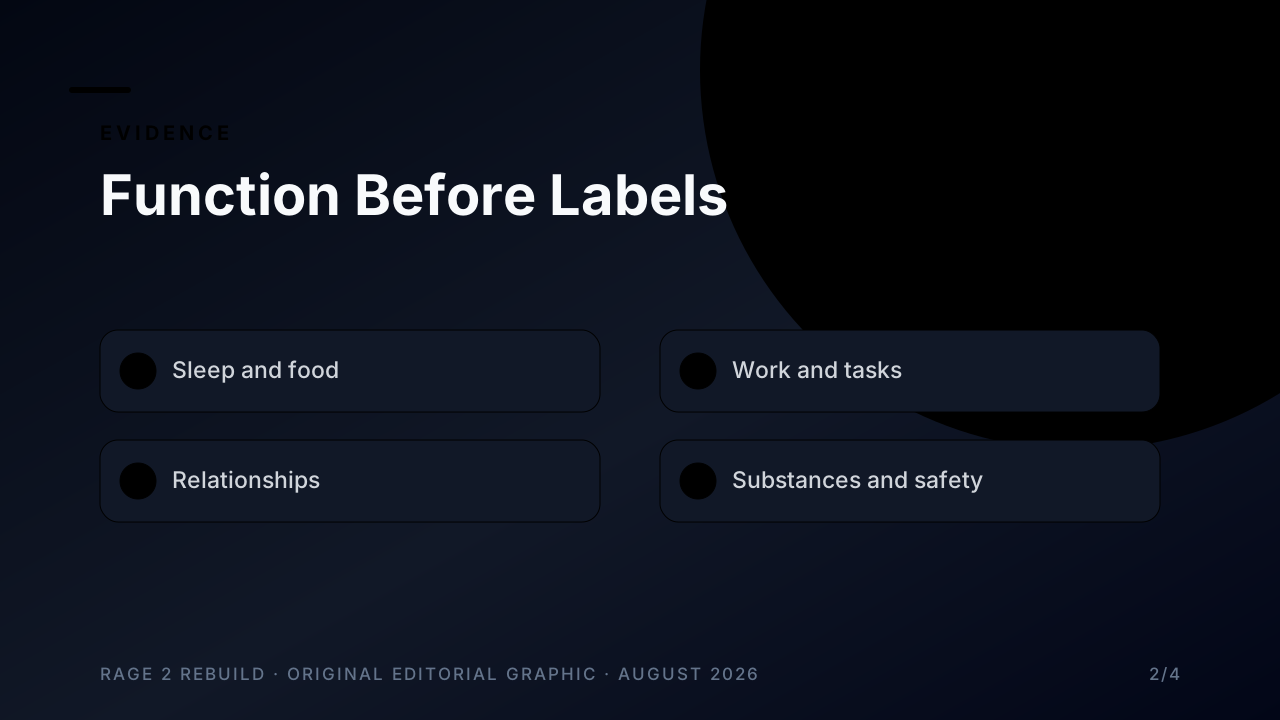
Evidence
Concrete function changes help professionals understand what is happening.
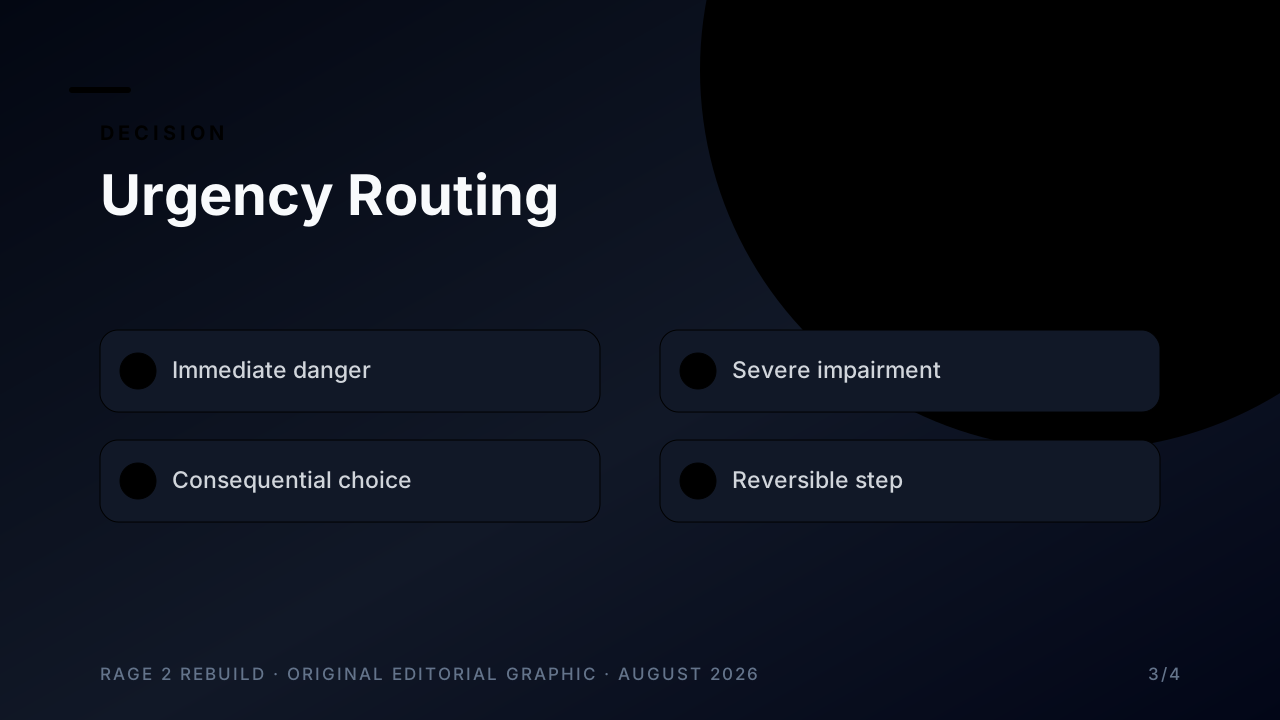
Decision
Urgent risk bypasses a web worksheet.
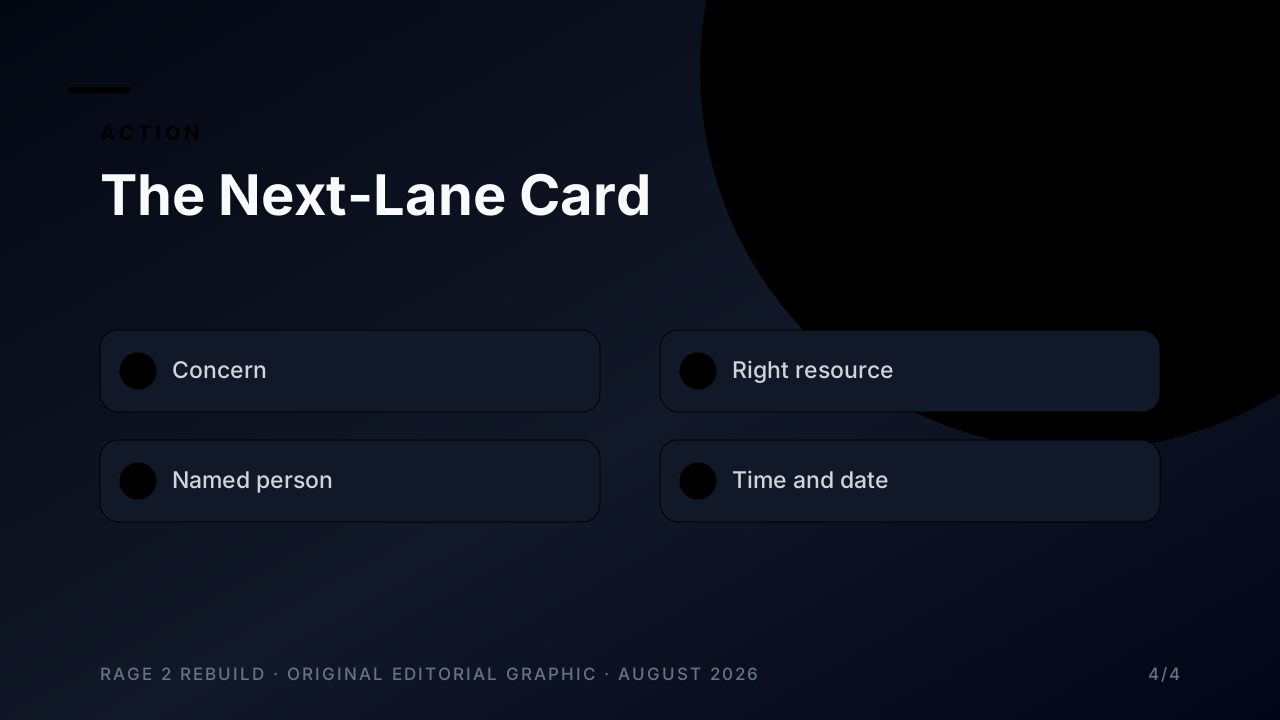
Action
A usable output from a private check-in.
Browser-only planning tool
The check-in should produce a route, not an identity. Review each lane independently and escalate based on consequence.
A self-check can organize observations that are already yours: whether sleep changed, whether a family member controls money, whether you have somewhere safe to stay, whether a conversation can wait, and whether daily responsibilities are becoming difficult. It cannot determine a diagnosis, measure the severity of a clinical condition, establish whether a relationship is abusive, or predict how another person will respond. Those questions require qualified assessment and facts beyond a browser interaction.
Treat every result as a draft. Strong emotions can change how a question feels from one day to the next, and a generic prompt cannot see local law, medical history, immigration status, custody orders, medication, finances, or the behavior of people around you. Write down the concrete facts behind an answer. Those facts are more useful to a clinician, lawyer, advocate, or trusted person than the label produced by any quiz.
Safety asks whether something requires immediate action. Stability asks what keeps ordinary life functioning. Relationships ask what communication, consent, or boundary is needed. Meaning asks how you want to live with uncertainty. A person can feel steady in one lane and overwhelmed in another. Keeping them separate prevents a strong social network from disguising urgent danger, or a difficult week from being mistaken for total failure.
Dependencies change the order of operations. Someone who controls their own housing and documents may choose an open conversation. Someone dependent on family for shelter, immigration sponsorship, healthcare, or device access may need a private plan first. The assessment therefore does not reward disclosure as bravery or secrecy as weakness. It asks which choice protects agency under the actual circumstances.
If you seek professional help, bring a short timeline: what changed, when it began, how often it happens, what makes it better or worse, and what has changed in sleep, food, work, school, relationships, substances, or safety. List medication and treatment questions for the clinician responsible for that care. Do not stop medication or treatment because a website, chatbot, influencer, or personal story feels convincing.
For legal, custody, housing, immigration, employment, or financial questions, identify the jurisdiction and the decision deadline. Save relevant documents securely and ask a qualified local professional what the law currently requires. Advice from another country or a general article may not apply. For immediate danger, bypass the worksheet and use local emergency or crisis services.
A useful next action is specific enough to finish: call a named service, copy an identity document to a secure location, ask one person for a ride, schedule an appointment, draft a two-sentence boundary, or attend one recurring activity. “Fix my life” is not an action. Put a time beside the step and decide what evidence will tell you whether it helped.
At review, ask what changed, what remained unknown, and whether the stakes increased. Keep the action if it protected stability or produced better information. Adjust it if it created pressure without benefit. Escalate when safety, severe symptoms, legal rights, medication, or another regulated decision is involved. The goal is not a perfect assessment result; it is a safer and more informed next decision.
Original page video
This is not a trauma score. It is a routing tool for the next decision.
Synthetic narration and original editorial graphics. No client, therapist, religious group, or documented event is depicted.
Private check-in
Nothing is submitted. This page does not invent vote counts or claim that other visitors answered.
Readiness tool
0 of 4 foundations in place
Choose the statements that are already true for you.
This planning aid is not a safety, legal, medical, or clinical assessment.
Named sources
National Institute of Mental Health
Official U.S. guidance on finding care and responding to immediate danger.
SAMHSA
Official U.S. treatment and support routes; local availability and eligibility must be confirmed.
U.S. Surgeon General
Framework for understanding the structure, function, and quality of social connection.
Editorial review: August 1, 2026. Hours, laws, credentials, costs, services, and availability can change; verify them directly.