4
verification layers
Identity, authority, service fit, and access must each be checked.
I am not a therapist. I am not a pastor. I am someone who left strict religion, walked through severe mental illness in the aftermath, and rebuilt my life on my own terms. What I offer is honest conversation with someone who has been there.
The public site and contact form are free to use. A separate paid conversation option may be available, but its current scope, price, and scheduling must be confirmed before purchase.
I will not pretend to have answers I do not have. I can describe my own experience, ask practical questions, and help you organize possible next steps. My experience is not evidence that the same choices will help you, and it does not replace a qualified professional.
A conversation might cover a small routine, questions for a licensed clinician, a written inventory of current beliefs, or a plan for finding local support. AI can help organize questions, but it should not diagnose, prescribe, or decide whether you need urgent care.
Messages are reviewed when capacity allows. Paid service terms must be confirmed before purchase, and response timing varies. This is not a 24/7 service or crisis line. For emergencies, use 988 in the U.S. or the current local equivalent.
I can speak only from my self-reported experience of strict religion, family strain, a bipolar diagnosis, psychiatric care, and a slow rebuild. That history is context for a peer conversation—not a clinical credential, treatment recommendation, or predicted outcome.
The public contact form does not charge a fee. If you want a recurring conversation, review the published outline and confirm the current scope, price, availability, and communication limits before purchasing.
A published offer outline, not an active checkout. Confirm price, scope, scheduling, communication limits, cancellation terms, and availability in writing before paying.
Start with the contact form. No payment should be sent until Elder X confirms that the service is available and provides the current written terms.
Ask About AvailabilityNot therapy, crisis support, medical care, or a guaranteed outcome.
I am not a crisis hotline. If you or someone else may be in immediate danger, call your local emergency number now. The services below publish the listed availability for their countries; use the official source link to confirm access details. If your country is not listed, use your government health authority or local emergency service.
Tell me what you grew up in, what made you start questioning, and where you are now. Be as specific as you can. There is no wrong way to start.
The site, contact form, and planning guide are free to use. A paid arrangement, if currently available, is separate and requires confirmed terms. There is no purchase requirement to use the public resources.
Pause, look, and use something
Long explanations are easier to use when they are interrupted by evidence, a visual reset, a decision, and a tool. This section turns the topic into a private action plan without presenting generated media as a real person, place, or testimonial.
4
Original visual directions attached to this topic; not claimed as documentary evidence.
3
Topic-specific ideas plus links to an independent curated resource library.
0
The check-in below is private and does not pretend to represent other visitors.

Quick perspective
A page can be long and still feel thin when every paragraph asks the reader to do the same thing. Useful depth comes from different jobs: explain, show, compare, help decide, and make the next action easier.
Questions this page can turn into content
Watch from a named source
A curated library of first-person stories and practical videos from Recovering from Religion.
Recovering from Religion resource library ↗
Videos and readings for understanding religious trauma without treating a web page as diagnosis.
Recovering from Religion resource library ↗
Private check-in
Nothing is submitted. This page does not invent vote counts or claim that other visitors answered.
Readiness tool
0 of 4 foundations in place
Choose the statements that are already true for you.
This planning aid is not a safety, legal, medical, or clinical assessment.
Provider verification · Reviewed August 2026
A directory result is a lead, not proof that a provider is appropriate or currently available. Verify identity, credential, jurisdiction, scope, experience, approach, privacy, fees, insurance, wait time, accessibility, and emergency procedures directly with the provider and the responsible licensing authority.
4
Identity, authority, service fit, and access must each be checked.
1
Availability, fees, insurance, accessibility, and wait time change.
0
A resource list cannot promise fit, availability, or outcomes.
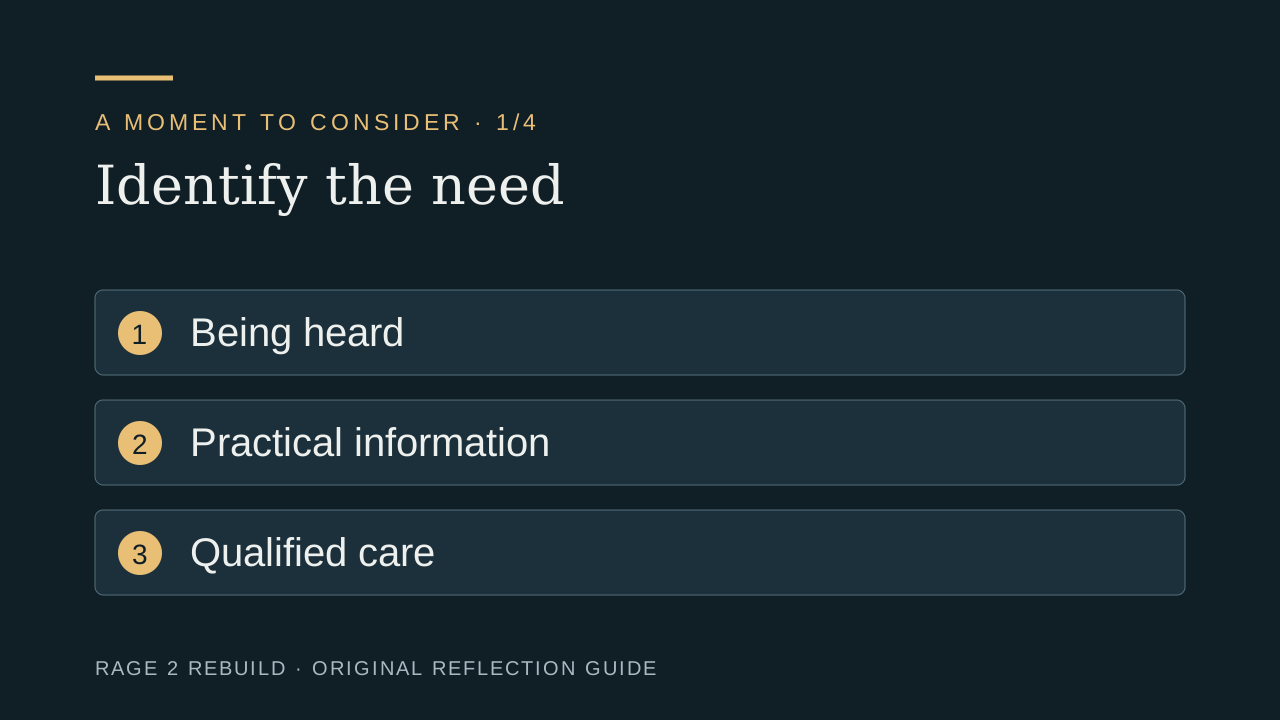
Orientation
Verify each layer independently.
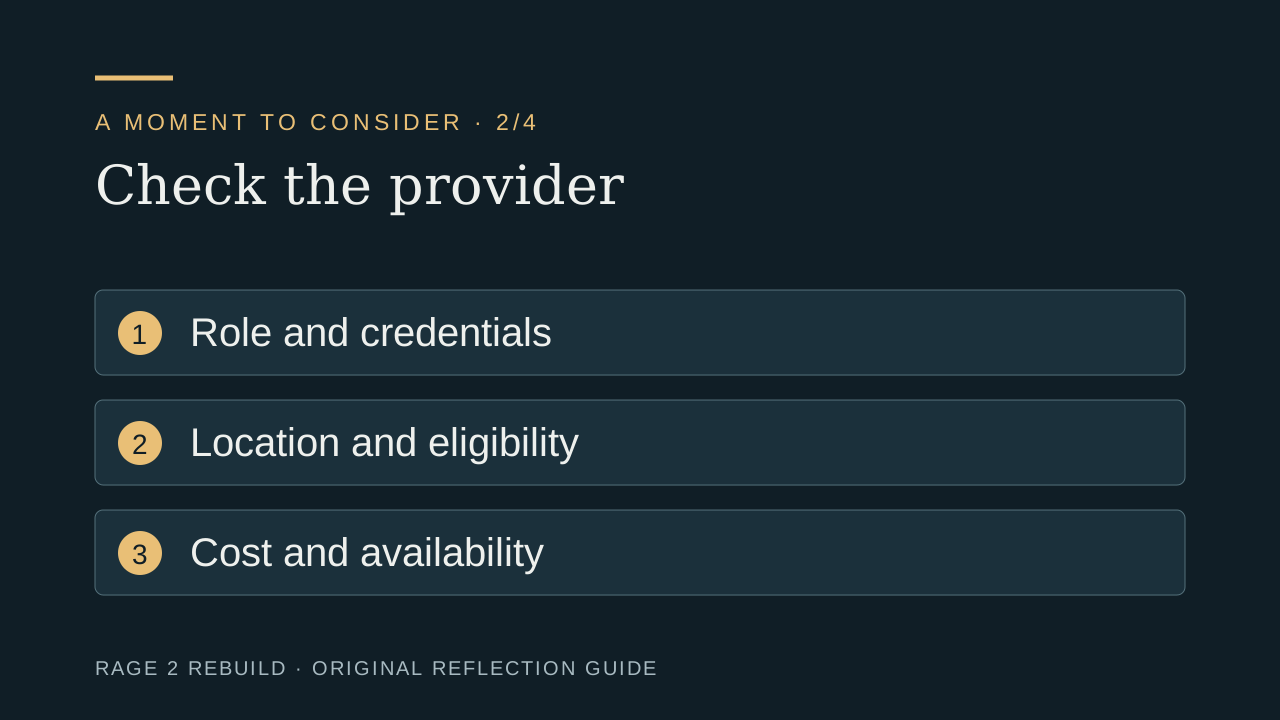
Evidence
Check the licensing source and provider directly.
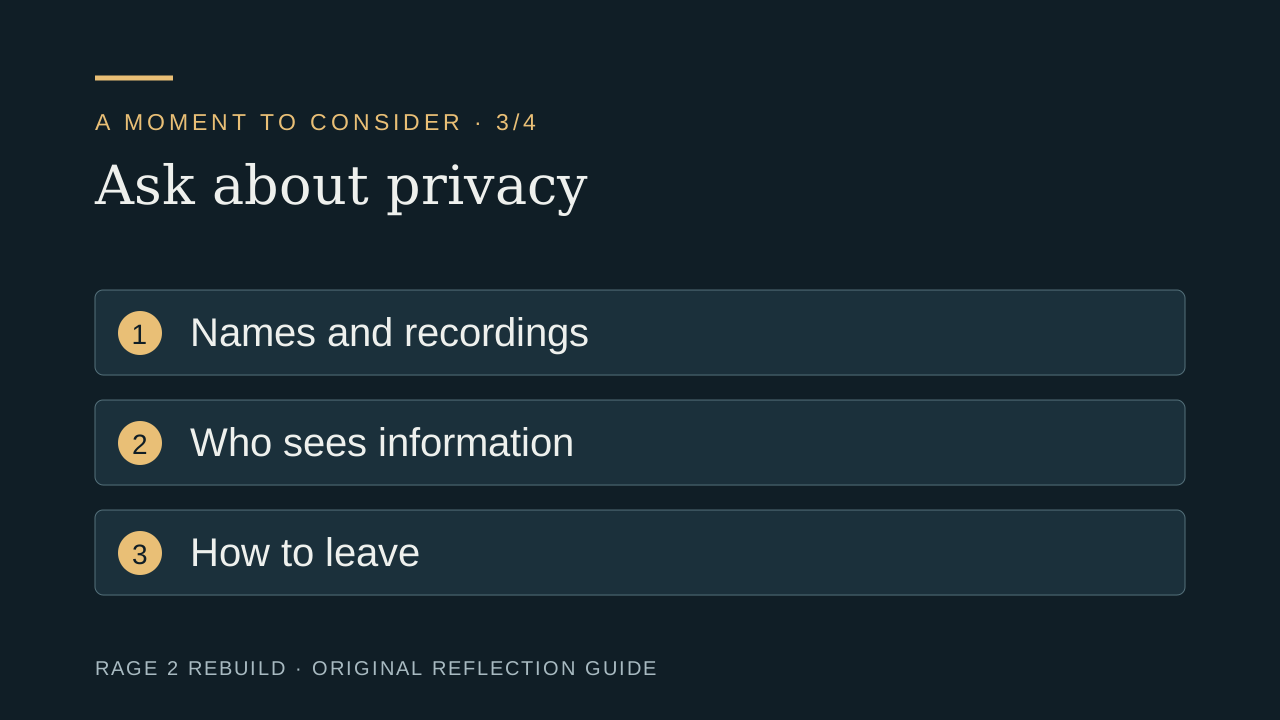
Decision
Match accountability to stakes.
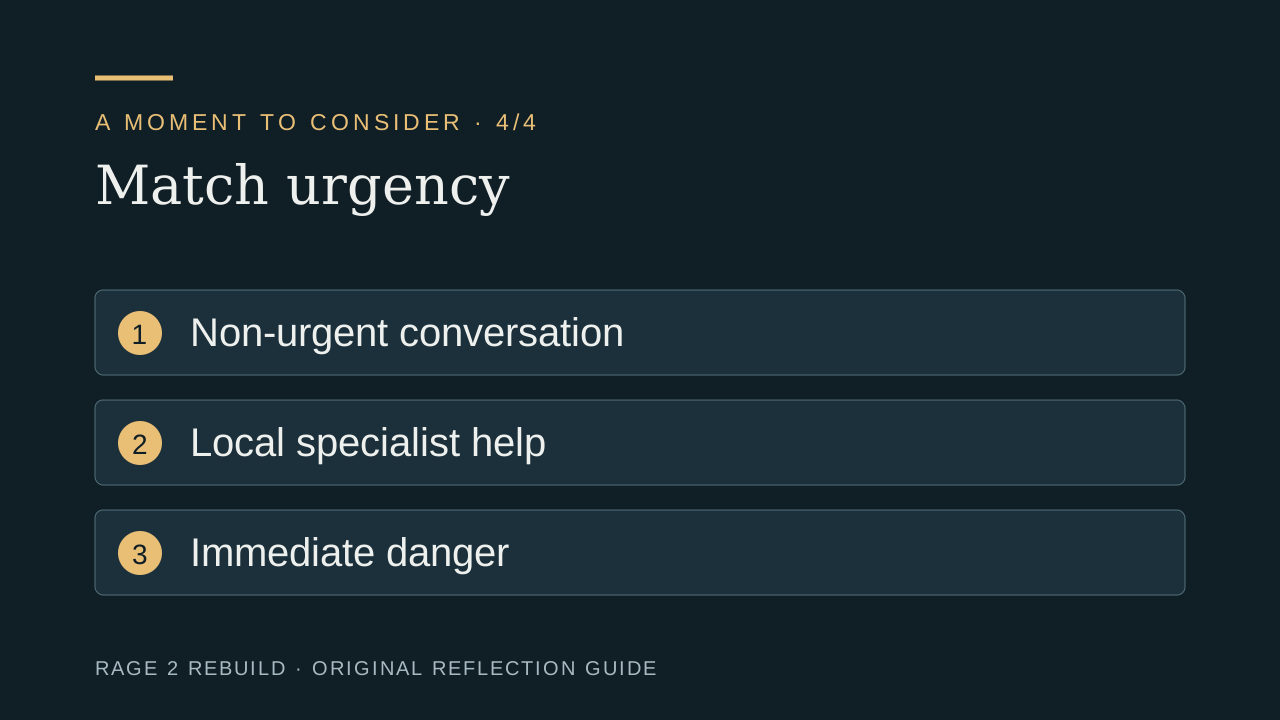
Action
Use the same questions across candidates.
Browser-only planning tool
Write answers in the same format so practical differences are visible.
Original page video
A profile page is marketing. Verification begins when you check the authority behind it.
Synthetic narration and original editorial graphics. No client, therapist, religious group, or documented event is depicted.
Private check-in
Nothing is submitted. This page does not invent vote counts or claim that other visitors answered.
Readiness tool
0 of 4 foundations in place
Choose the statements that are already true for you.
This planning aid is not a safety, legal, medical, or clinical assessment.
Named sources
National Institute of Mental Health
Official U.S. guidance on finding care and responding to immediate danger.
SAMHSA
Official U.S. treatment and support routes; local availability and eligibility must be confirmed.
Recovering from Religion
Named external support option; verify its current hours, privacy terms, and service scope directly.
Editorial review: August 1, 2026. Hours, laws, credentials, costs, services, and availability can change; verify them directly.