Name the actual recovery target
Specify the substance or behavior, current frequency, recent changes, health risks, and what “safer this week” would mean. Avoid a vague promise to become a different person overnight.
Recovery support mapper
Recovery needs differ by substance, behavior, health, risk, and location. Use licensed or accredited treatment where appropriate, add peer and community support if it helps, and make the crisis route explicit. Elder X does not provide detoxification, addiction treatment, or medical supervision.
4
Clinical care, peer support, practical stability, and crisis planning solve different problems.
1 call
Verify eligibility, cost, wait time, location, and treatment scope directly.
0
Withdrawal risk can require medical guidance; a generic web plan is not enough.

A useful distinction
Record what happened before, during, and after a return to use or behavior. That information can improve a plan, but urgent withdrawal, overdose risk, suicidality, or severe symptoms require qualified or emergency care.
Specify the substance or behavior, current frequency, recent changes, health risks, and what “safer this week” would mean. Avoid a vague promise to become a different person overnight.
Ask whether a program is licensed or accredited, which conditions it treats, whether medication is available, what level of care it provides, and how emergencies are handled.
Plan transportation, housing, money access, childcare, work communication, medication storage, and one person who knows what help you are seeking.
Write the next appointment, meeting, or verified call. A list of resources without a date and responsible person is not yet a working recovery plan.
Named sources · reviewed August 2, 2026
Substance Abuse and Mental Health Services Administration
Peer, clinical, community, treatment-locator, and crisis options for U.S. users.
Substance Abuse and Mental Health Services Administration
U.S. treatment, recovery, crisis, cost, and family-support pathways.
Private check-in
Nothing is submitted. This page does not invent vote counts or claim that other visitors answered.
Readiness tool
0 of 4 foundations in place
Choose the statements that are already true for you.
This planning aid is not a safety, legal, medical, or clinical assessment.
Recovery network operating plan · Reviewed August 2026
Recovery support should match the substance or behavior, withdrawal and overdose risk, medical and psychiatric needs, location, finances, housing, and current stage of change. Verify treatment scope and credentials directly, add peer support when useful, protect daily logistics, and write the emergency lane explicitly. This site does not provide detoxification, medication, or addiction treatment.
4
Clinical care, peer connection, practical stability, and crisis response solve different problems.
6
Scope, credentials, medication, level of care, cost, and emergency procedures should be confirmed.
1 date
A resource list becomes a plan when the next verified contact is scheduled.
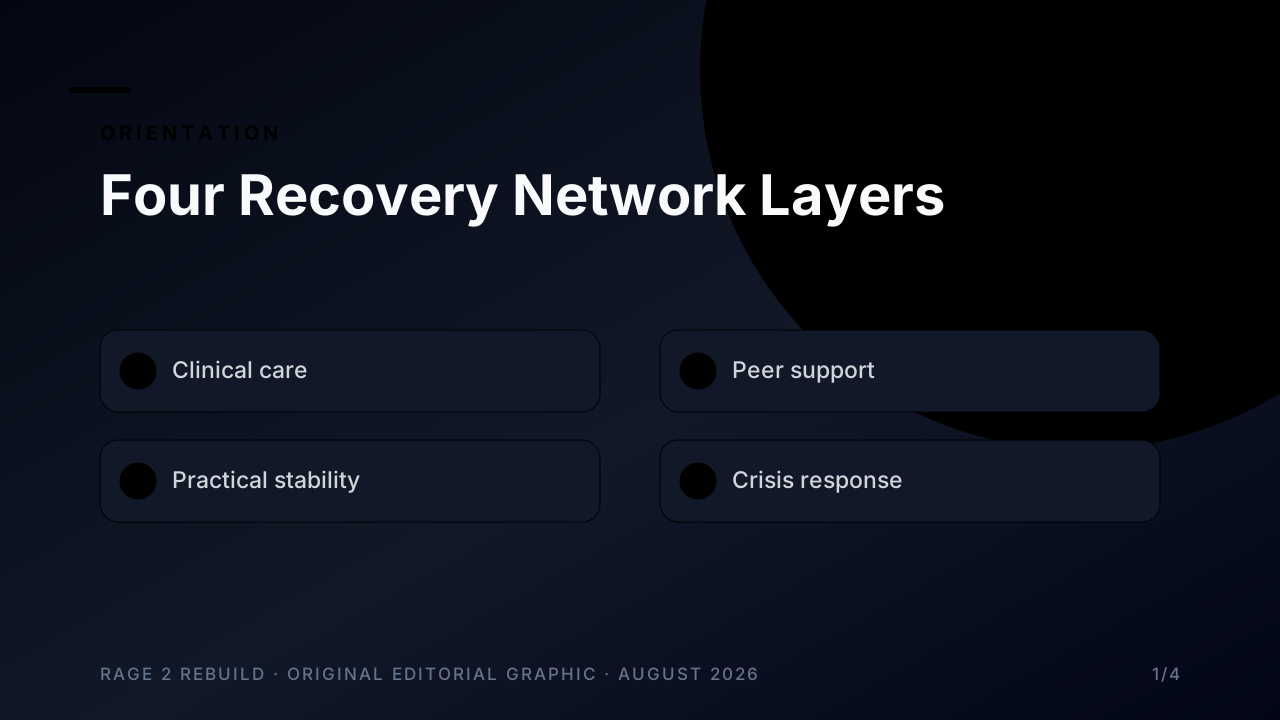
Orientation
No single layer should be expected to solve every need.
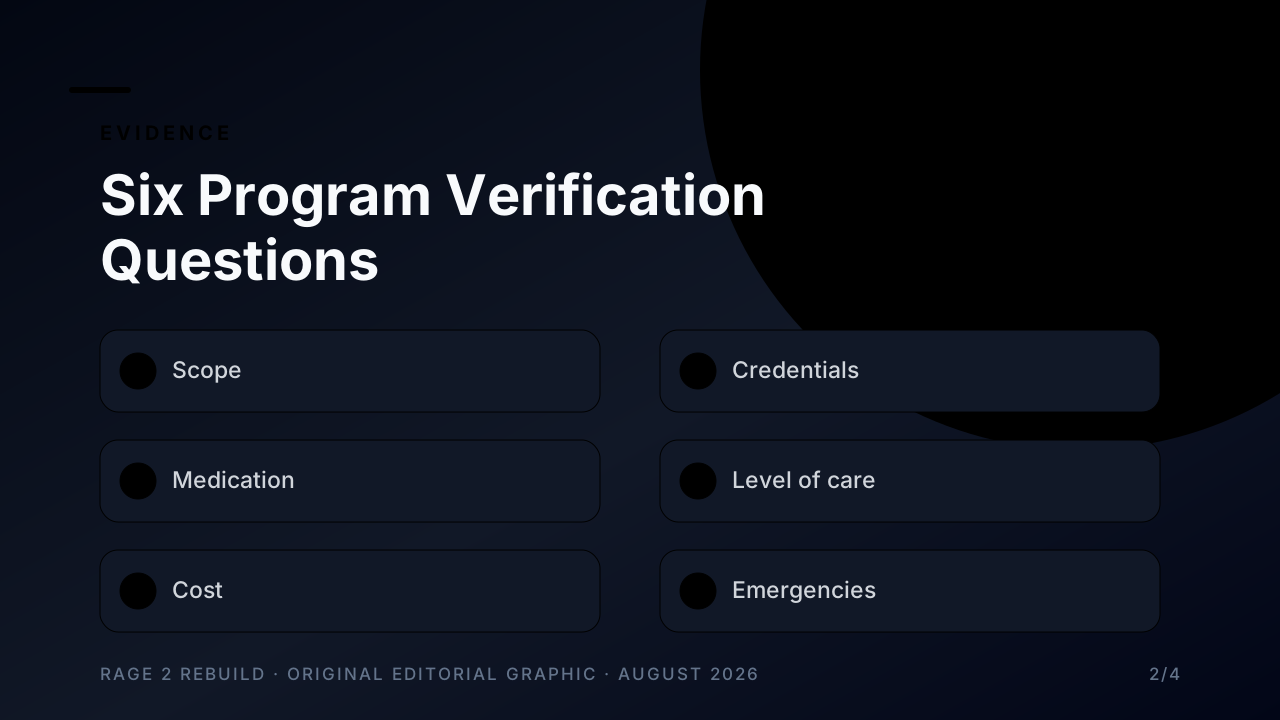
Evidence
Verify the actual service before relying on its name.
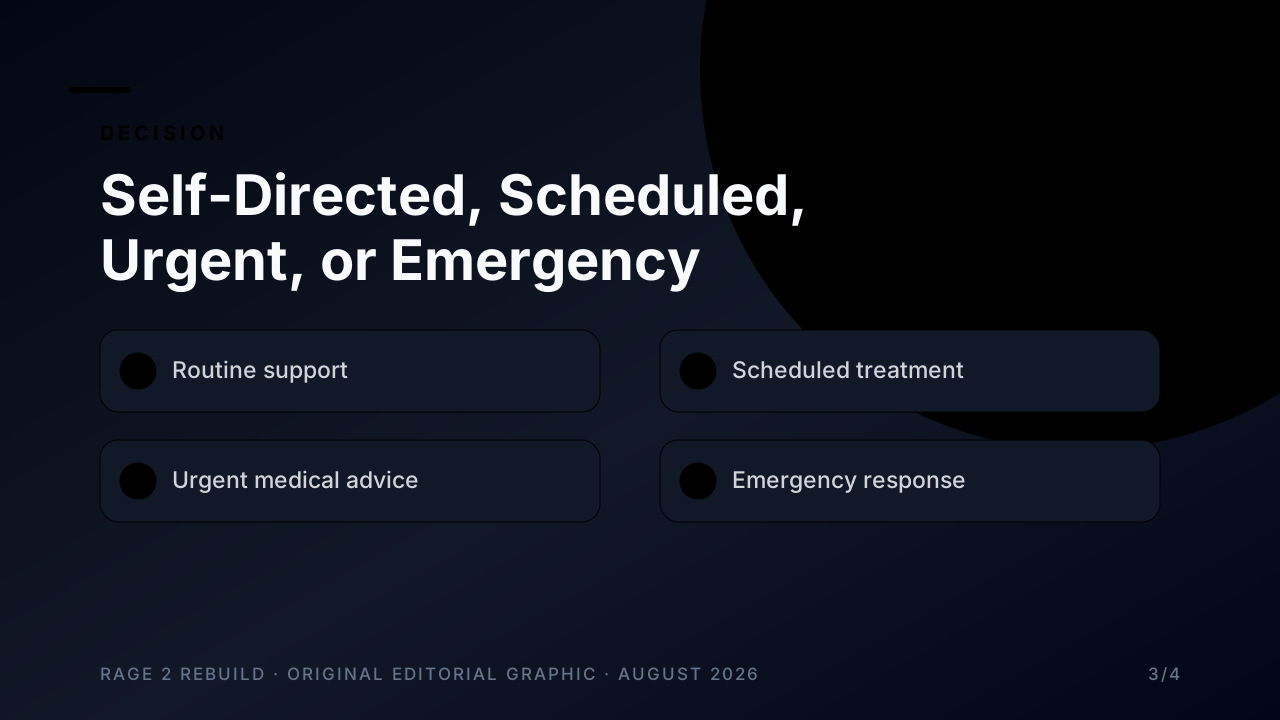
Decision
Risk determines the care lane; motivation does not make medical risk disappear.
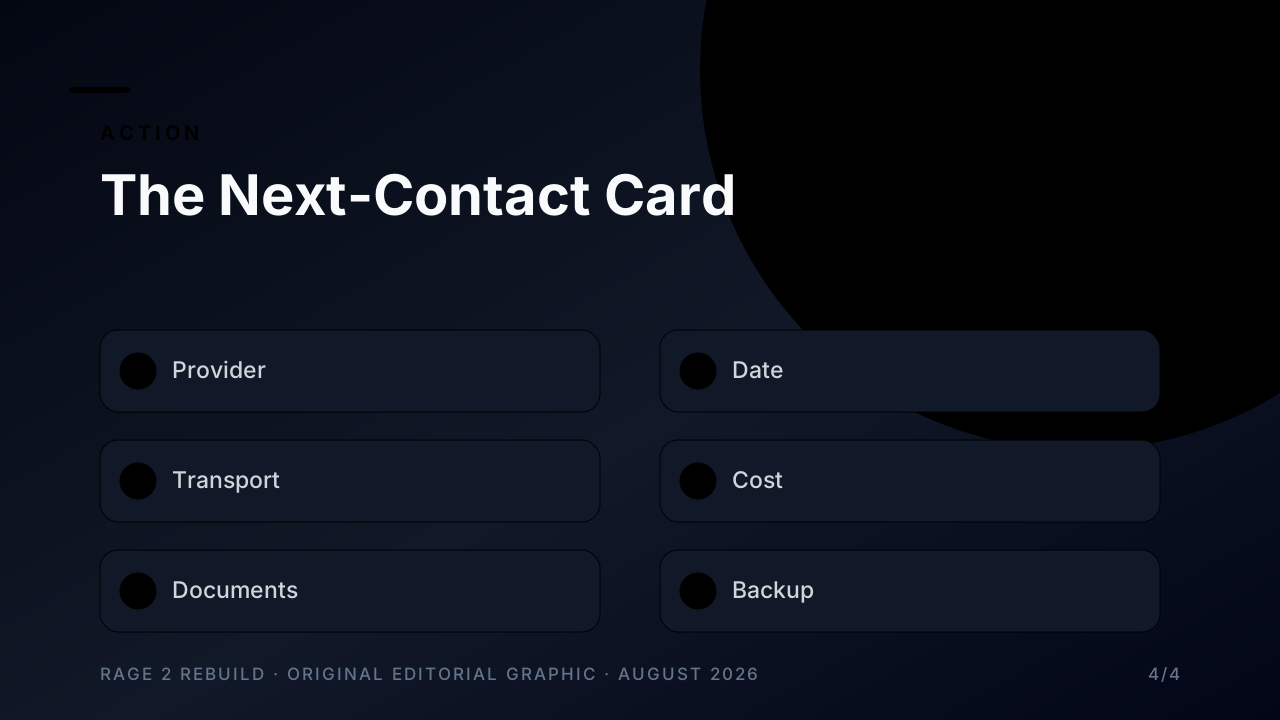
Action
Turn resource research into one verified appointment or call.
Browser-only planning tool
Build a network and a dated action without guessing about medical risk.
A program may have an opening and still be wrong for the actual condition or level of risk. Ask what it treats, what it excludes, who evaluates participants, how medication is handled, and what happens when needs exceed the program’s scope.
A peer group may be valuable for recognition, routine, or accountability while remaining inappropriate for detoxification, diagnosis, prescribing, or crisis management. Healthy networks make those boundaries visible instead of treating referral as failure.
Write how you will get there, what you need to bring, who can help with childcare or work, and what might prevent attendance. Then plan the hour afterward: transport, food, privacy, medication, emotional support, and the next instruction you are expected to follow.
If a setback occurs, record the sequence without hiding risk or turning it into shame. Use the record with the appropriate professional to update access, treatment, environment, communication, and emergency plans.
Original page video
A recovery list becomes usable when every layer has a defined job and the next contact has a date.
Synthetic narration and original editorial graphics. No client, therapist, religious group, or documented event is depicted.
Private check-in
Nothing is submitted. This page does not invent vote counts or claim that other visitors answered.
Readiness tool
0 of 4 foundations in place
Choose the statements that are already true for you.
This planning aid is not a safety, legal, medical, or clinical assessment.
Named sources
Substance Abuse and Mental Health Services Administration
U.S. recovery support and treatment pathways; this site does not provide detoxification or addiction treatment.
Substance Abuse and Mental Health Services Administration
U.S. treatment, recovery, crisis, cost, and family-support pathways; verify current availability directly.
National Institute of Mental Health
Official U.S. routes for finding qualified help and responding to urgent danger.
Editorial review: August 2, 2026. Hours, laws, credentials, costs, services, and availability can change; verify them directly.
Page-specific answers
Compare scope, credentials, level of care, medication availability, evidence-based services, privacy, cost, location, wait time, and emergency procedures.
No. Withdrawal may carry serious medical risk. Use an appropriately qualified healthcare or treatment professional.
Include housing, transport, childcare, work, money, identification, communication, medication storage, and who knows about the appointment.
Record the verified provider or group, date, contact method, transport, cost, documents, responsible person, and backup route.
No. It can help organize questions and personal next steps, but treatment, detoxification, and medication require qualified providers.
Peer support can be useful, but its role differs from clinical treatment. Match support to the condition, risk, and professional guidance.
Confirm licensing or accreditation, scope, staffing, evidence-based services, medication options, privacy, cost, wait time, and emergency procedures.